- Marine & Family Support
- Information, Referral, and Relocation
- Libraries
-
- Financial Management
- Command Information
- EFMP Courses
- Family Needs Assessment
- DD Form 2792 Reimbursement
- EFMP Resources
- Respite Care Reimbursement Program
- EFMP Newsletters
- EFMP Connections (Mentorship Program)
- Tricare ECHO
- EFMP Forms
- EFMP FAQ
- Enrollment, Updates, Disenrollment
- Incapacitated Adult – Dependency Determination
- Family Advocacy Program
- UPFRP (Unit, Personal & Family Readiness Program)
- LifeSkills Training
- Chaplains Religious Enrichment Development Operation
- Prevention & Relationship Enhancement Program
- L.I.N.K.S.
- Family Member Employment Assistance Program
- New Parent Support
- Community Counseling
- Military & Family Life Counselors
- Substance Abuse
- Personal Financial Management
- Single Marine Program
- Voluntary Education
- Volunteer Opportunities
- Wounded Warrior
- Monthly Calendar
Family Advocacy Program
On this page:
On this page:
We help service members and their families foster strong and meaningful relationships through skill-building classes and workshops.
Programs, Services & Information
Classes and Workshops
Learn life skills that help strengthen your relationships.
Learn MoreClasses and Workshops
- Stress
- Empathy
- Response
- Self-talk
- Assertiveness
- Expectations
- Forgiveness
- Time-out
This class offers eight sessions that help parents develop life skills in the following areas:
- Praise and Encouragement: How to communicate with your child in appropriate ways.
- Managing Emotions: Understand how to help your child manage his or her emotions.
- Healthy Lifestyles: Developing healthy routines and schedules in your home.
- Managing Stress: How to manage stress and your reactions due to anger.
- Physical Health: How to promote an active lifestyle for you and your child.
POWER Workshop
Discover the dynamics of power and control techniques and their negative effect on relationships. In this 8-hour workshop you will learn to recognize how those techniques can result in destructive and sometimes abusive behaviors. We will also teach on domestic violence and the effects it has on children. Each participant will learn healthy alternatives to:
- Enhance Communication
- Manage Stress
- Resolve Conflict
This one-day workshop is designed for relationships of all kinds, focused on communication, repair, and deeper understanding. This is achieved, not through perfection, but through intention, empathy, and small daily habits that make a big difference. Through practical tools and real conversation, participants learn how to:
- Grow Stronger
- Feel Closer
- Build Healthier Connections
Stress Management / Warrior Maintenance
Discover what stress is and how it influences behavior in the workplace, relationships, and life's challenges. Participants will learn the definition of stress and its impact on the body; socially, spiritually, mentally, and physically. You will develope simple and effective methods to reduce the stressors and stress-related symptoms.
Within My Reach
This workshop explores the dynamics of healthy relationships. Participants will learn to recognize how proven techniques can result in favorable behaviors and proper boundaries. Participants will learn healthy ways to
- Enhance Communication
- Manage Stress
- Resolve Conflict
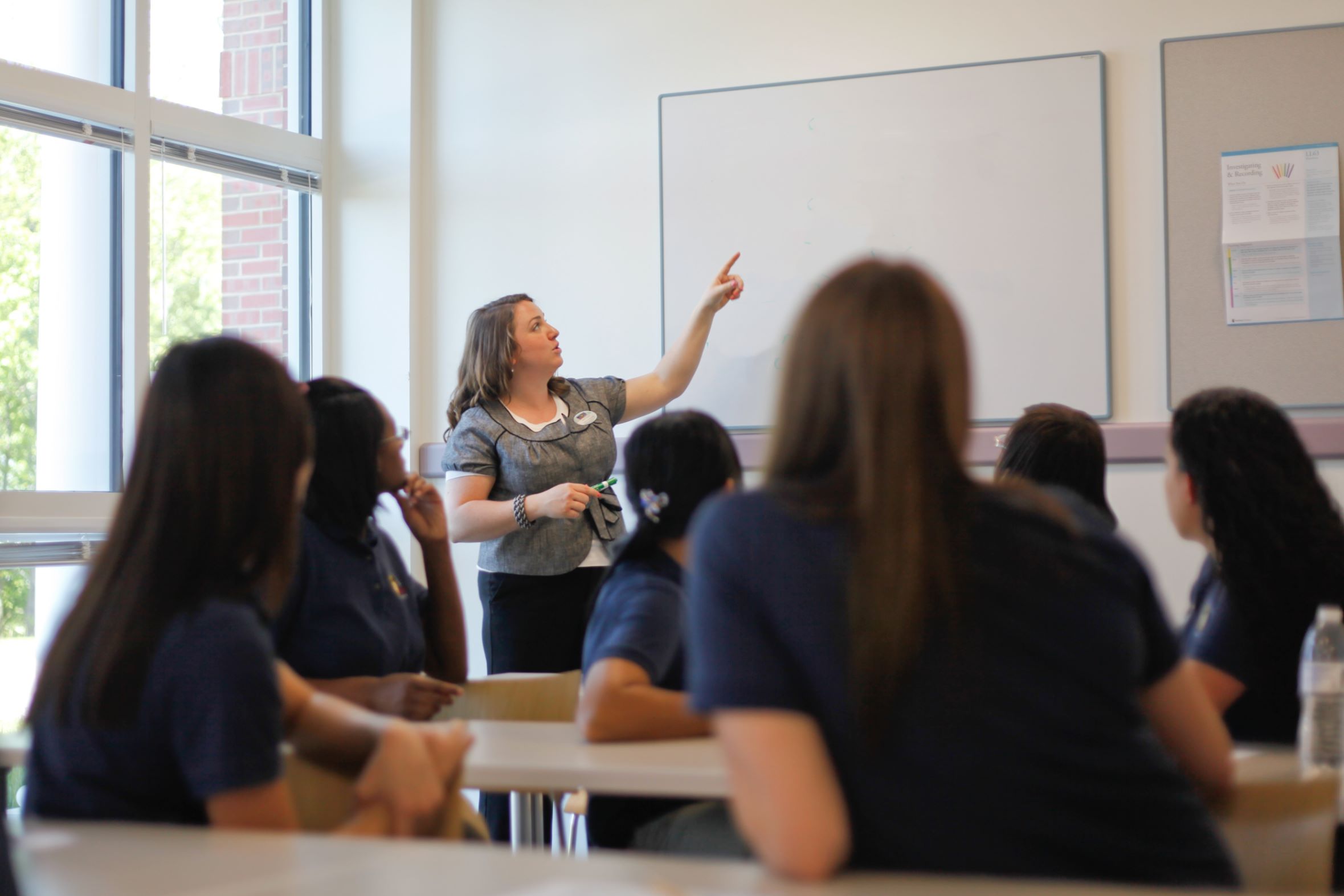
Problematic Sexual Behaviors in Child and Youth
Free counseling services and support to military families.
Learn MoreProblematic Sexual Behaviors in Child and Youth
Problematic Sexual Behaviors in Child & Youth (PSBCY) refers to behaviors initiated by children and youth under the age of 18 that involve sexual body parts (genitals, anus, buttocks, or breasts) in a manner that deviates from normative or typical sexual behavior and are developmentally inappropriate or potentially harmful to the individual initiating the behavior, the individual(s) impacted by the behavior or others.
Sexual behaviors initiated by a child or youth under the age of 18 are more likely to deviate from normative or typical sexual behavior and be developmentally inappropriate and/or potentially harmful when they are characterized by one or more of the following:
- Occur at a higher frequency than is typical given the child’s or youth’s age and development.
- Are preoccupying or are a greater focus of the child’s or youth’s interactions and interests than other behaviors.
- Interfere with the child’s or youth’s social development and/or general functioning.
- Do not respond to caregiver or other adult intervention.
- Involve sexual knowledge, language and/or behaviors that are inappropriate for the child’s or youth’s chronological or developmental age.
- Include aggression, force, threats, or coercion.
- Include intrusive sexual behavior, such as penetration.
- Are deliberative rather than spontaneous or exploratory in nature.
- Include alcohol or other mind-altering substances.
- Involve aggressive or violent pornography.
- Engender strong upset feelings in any other child or youth involved in the behaviors.
- Are non-mutual.
Problematic sexual behavior usually takes place when a child feels anxious or angry, is reacting to a traumatic experience, is overly curious after seeing sexual materials, is seeking attention, is trying to imitate others, or is merely trying to calm him or herself.
Parents, caregivers, educators, and professionals should approach problematic sexual behaviors with sensitivity and address them in a supportive and non-punitive manner. If concerns arise about a child's or youth's sexual behaviors, it is advisable to seek guidance from your local Family Advocacy Program, or other relevant authorities to assess the behaviors and provide appropriate interventions. Early intervention and support are crucial in addressing PSBCY and ensuring the well-being of the child or youth involved.
Contact your local Family Advocacy for more information, support, and counseling.
What is domestic abuse?
Identify what domestic abuse and learn more about how to protect you and your family.
Learn MoreWhat is domestic abuse?
Domestic abuse is the use, attempted use, or threatened use of force or violence against an intimate partner. It is also a pattern of behavior that results in the emotional abuse, economic control, or interference with personal liberty that is directed towards an intimate partner. An intimate partner is a current or former spouse, a person with whom the abuser shares a child or common domicile, or a person who is in a romantic relationship with the abuser.
Examples of domestic abuse include, but are not limited to, taking your cell phone or keys, not allowing you to leave a location, controlling what you wear or who you speak to, limiting your access to money, name calling, pushing, hitting, sexual contact without your consent.
If you or someone you know is dealing with domestic abuse, contact the Family Advocacy office.
Reporting Options
Know your reporting options if you are experiencing abuse in your relationship.
Learn MoreReporting Options
Reporting Instructions
- Unrestricted
A person who has experienced domestic abuse who wants to pursue an official investigation of an incident should report to their chain of command, the Family Advocacy Program (FAP), or law enforcement. Following an unrestricted report this person has access to medical care, counseling, FAP advocacy, and other supportive services. All reports of child abuse are unrestricted reports.
- Restricted
Restricted reporting allows an adult who has experienced or is experiencing domestic abuse to disclose the details of their abuse and receive medical care, counseling, and FAP advocacy without command or law enforcement involvement. Those electing to make a restricted report must report the abuse to a FAP clinician, FAP advocate, and in some states a DoD healthcare provider. Reporting to anyone not listed may result in an unrestricted report. A restricted report can be unrestricted later by the person who elected it. An unrestricted report cannot be restricted later.
Contact Information and Resources
Family Advocacy Program
Address:
1555 Southgate Road, Bldg. HH012
Arlington, VA 22214
Phone: 7036147204
DSN: 2247204
Hours of operation:
| Hours | |
|---|---|
| Sunday | Closed |
| Monday | 8:00AM - 4:30PM |
| Tuesday | 8:00AM - 4:30PM |
| Wednesday | 8:00AM - 4:30PM |
| Thursday | 8:00AM - 4:30PM |
| Friday | 8:00AM - 4:30PM |
| Saturday | Closed |